Behind the Scenes Team Sports Culture
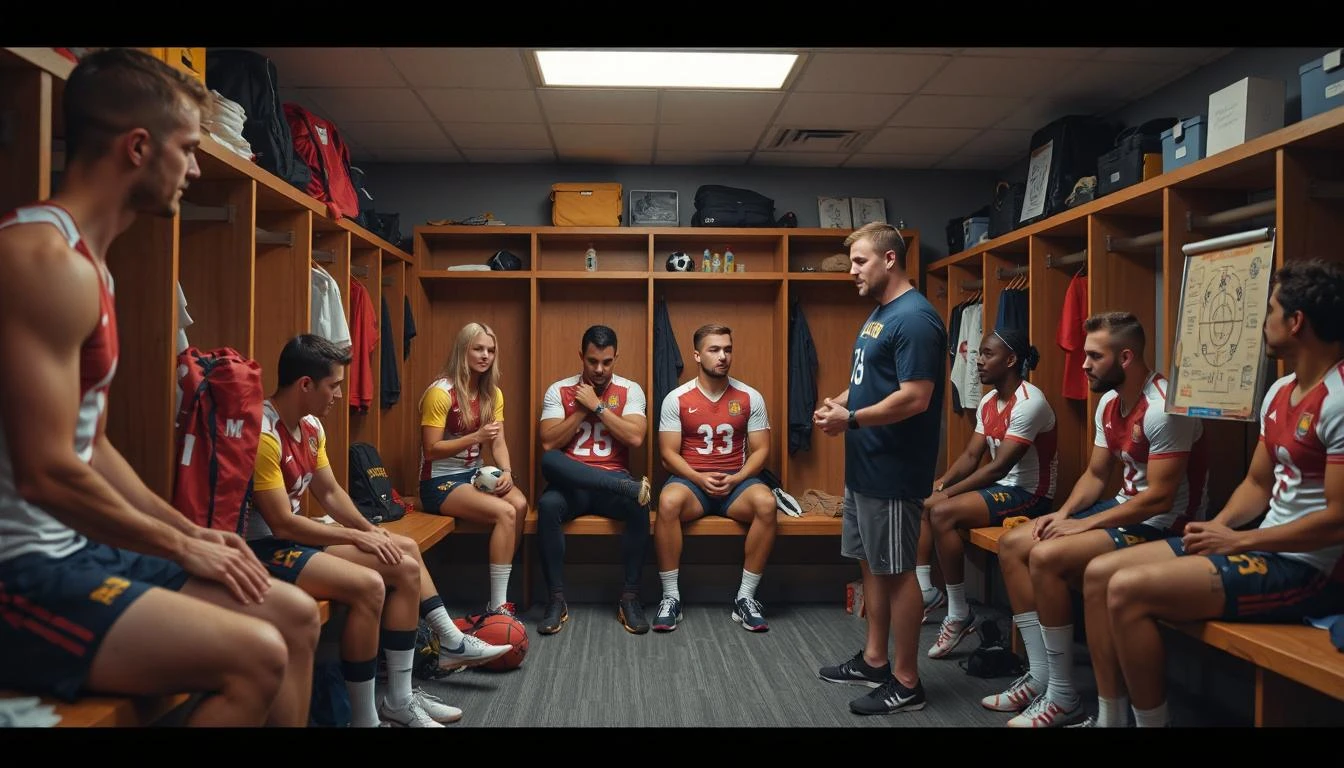
What really happens behind the victories, celebrations, and championship moments that fans see on the surface? Most people focus on the final score, but the true story often begins long before game day. Hidden inside training facilities, meeting rooms, and everyday interactions are countless decisions and habits that shape a team's identity. These unseen elements create the foundation that separates good teams from truly exceptional ones.
The deeper you look into the internal dynamics of team sports culture, the more fascinating the picture becomes. Success is rarely driven by talent alone. Instead, it emerges from discipline, communication, leadership, trust, and a shared commitment to a common goal. Much like modern global marketplaces that depend on collaboration and transparency to thrive, elite sports organizations rely on strong internal structures that remain largely invisible to the public eye.
Inside Modern Team Sports Culture
Before examining the daily routines and strategies that drive successful teams, it is important to understand that culture is the invisible force guiding every decision. The strongest organizations do not simply develop athletes; they create environments where individuals learn how to perform together. One of the most valuable aspects of this process can be found through locker room teamwork insights, where relationships, accountability, and shared responsibility are built long before competition begins.
Daily Training Routines and Discipline
Every successful team is built upon consistent habits. Daily training routines involve much more than physical exercise. Athletes spend hours reviewing performance footage, studying opponents, refining techniques, and maintaining recovery schedules. These structured routines help create a culture where excellence becomes a standard rather than an occasional achievement.
Discipline also extends beyond practice sessions. Nutrition planning, sleep management, mental preparation, and personal accountability all contribute to long-term performance. Teams that embrace these habits often develop a competitive advantage that becomes visible over the course of a season.
Team Bonding and Chemistry Building
Talent may attract attention, but chemistry often determines results. Strong relationships allow teammates to communicate effectively, support one another during adversity, and maintain confidence during difficult moments.
Team bonding activities have evolved significantly in recent years. Many organizations now invest in leadership workshops, group challenges, and off-field experiences designed to strengthen interpersonal connections. These initiatives help transform a collection of individuals into a cohesive unit capable of handling pressure together.
Coaching Strategies Behind Success
Great coaches influence far more than tactics. They shape culture, establish standards, and inspire collective growth. Modern coaching strategies increasingly combine traditional experience with sports science, data analytics, and psychological development.
As renowned basketball coach Phil Jackson once said, "The strength of the team is each individual member. The strength of each member is the team." This philosophy continues to guide successful organizations that understand the importance of balancing individual excellence with collective achievement.
The Hidden Dynamics of Team Collaboration
When teams consistently perform at a high level, collaboration often becomes the deciding factor. While athletic ability remains important, sustainable success requires people to work together under constantly changing circumstances.
Leadership Roles Within the Team
Leadership exists at multiple levels within successful teams. Captains may provide formal direction, but influential leadership often emerges from experienced players who set standards through their actions.
These informal leaders help establish expectations, mentor younger teammates, and maintain stability during challenging periods. Their influence frequently extends beyond competition and contributes significantly to the overall team environment.
Communication During High Pressure Moments
The true quality of communication is often revealed during moments of intense pressure. Whether facing a championship game, a critical comeback attempt, or an unexpected setback, teams must communicate clearly and efficiently.
Effective communication reduces uncertainty and allows athletes to make confident decisions. It also strengthens trust because teammates know they can depend on one another when circumstances become difficult.
Trust and Mental Resilience Development
Trust is not built through speeches or slogans. It develops gradually through consistent actions, reliability, and mutual support. Teams with strong trust foundations often recover more quickly from setbacks and maintain confidence during adversity.
Mental resilience has become one of the most discussed topics in modern sports. Organizations increasingly recognize that emotional strength can influence performance just as much as physical preparation. Sports psychologist Dr. Carol Dweck has frequently emphasized that growth-oriented mindsets help individuals embrace challenges and learn from setbacks rather than fear them, a principle that aligns closely with successful team environments.
How Media Shapes Behind the Scenes Access
Fans today expect more than game highlights and post-match interviews. Digital platforms have transformed the relationship between sports organizations and their audiences, creating unprecedented access to the stories behind the competition.
Documentary Style Sports Content
Sports documentaries have become one of the most powerful ways to reveal the realities of professional competition. These productions showcase strategic discussions, emotional challenges, recovery journeys, and leadership decisions that fans rarely witness during live broadcasts.
By providing greater context, documentary content allows audiences to appreciate the complexity of building a successful team.
Social Media Behind the Scenes Clips
Short-form content has changed how sports stories are told. Training sessions, travel experiences, locker room celebrations, and candid conversations now reach millions of viewers within minutes.
This level of access creates stronger emotional connections between athletes and supporters. Fans increasingly value authenticity and often engage more deeply with genuine behind-the-scenes moments than with highly polished promotional material.
Fan Expectations and Transparency
Transparency has become a defining characteristic of modern sports culture. Supporters want honest communication and meaningful access to the organizations they follow.
Teams that embrace transparency often strengthen fan loyalty because they provide a clearer understanding of the effort, sacrifice, and preparation required to achieve success. As a result, audiences become invested not only in outcomes but also in the journey itself.
Experience the Real Story Behind Every Winning Team
Behind every championship trophy, there is a story that extends far beyond the final whistle. It is a story shaped by countless hours of preparation, difficult conversations, shared sacrifices, and unwavering commitment to collective goals. The public may remember the winning moment, but the foundation of success is built long before that moment arrives.
The most successful teams understand that culture is not created through slogans or motivational speeches alone. It is developed through daily actions, meaningful relationships, and a shared belief in something larger than individual achievement. When these elements come together, they create an environment where excellence can thrive consistently over time.